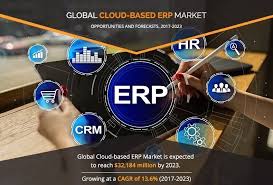
In 2026, Enterprise Resource Planning (ERP) systems have become the backbone of modern organizations. From finance and human resources to supply chain and customer management, ERP platforms centralize critical business operations in one integrated system. However, as ERP systems grow more advanced and connected, they also become prime targets for cyberattacks.
With the rise of cloud computing, remote work, AI integration, and global data exchange, cybersecurity in ERP systems is no longer optional—it is a strategic priority.
Why ERP Systems Are Prime Targets
ERP systems store highly sensitive data, including:
Financial records
Employee information
Customer databases
Intellectual property
Supplier contracts
A successful breach can result in financial losses, reputational damage, regulatory penalties, and operational disruption. In 2026, attackers increasingly target ERP platforms because compromising a single system can provide access to an organization’s entire ecosystem.
New Cybersecurity Challenges in 2026
1. Increased Cloud Adoption
Cloud-based ERP solutions are now dominant due to flexibility and scalability. However, multi-tenant environments and shared infrastructure introduce new security concerns such as misconfigurations, insecure APIs, and data leakage risks.
2. AI-Driven Attacks
While artificial intelligence enhances ERP capabilities, cybercriminals are also using AI to automate phishing campaigns, exploit vulnerabilities, and bypass traditional security measures.
3. Third-Party Integrations
Modern ERP systems integrate with CRM, e-commerce platforms, payment gateways, and IoT devices. Each integration point becomes a potential entry path for attackers if not properly secured.
4. Remote and Hybrid Work Models
With employees accessing ERP systems from various locations and devices, endpoint security has become a critical concern. Weak passwords, unsecured Wi-Fi networks, and unmanaged devices increase vulnerability.
5. Regulatory and Compliance Pressure
Global data protection regulations are becoming stricter. Businesses must ensure their ERP systems comply with international standards to avoid heavy penalties and legal consequences.
Emerging Solutions and Best Practices
To address these growing challenges, organizations are adopting advanced cybersecurity strategies in 2026.
1. Zero Trust Architecture
Zero Trust models assume that no user or device is automatically trusted. Continuous authentication, role-based access control, and strict identity verification significantly reduce internal and external threats.
2. Multi-Factor Authentication (MFA)
MFA is now a standard requirement for ERP access. By adding biometric verification, hardware tokens, or authentication apps, companies can prevent unauthorized logins even if passwords are compromised.
3. AI-Powered Threat Detection
Just as attackers use AI, businesses deploy AI-driven security tools to monitor unusual activities in real time, detect anomalies, and respond to threats before they escalate.
4. Regular Security Audits and Penetration Testing
Routine vulnerability assessments and penetration tests help identify weaknesses before attackers do. Continuous monitoring ensures ERP systems remain secure as they evolve.
5. Secure API Management
Encrypting APIs, applying strict authentication protocols, and monitoring integration traffic minimize risks from third-party connections.
6. Employee Cybersecurity Training
Human error remains one of the leading causes of breaches. Regular training programs educate employees on phishing awareness, password hygiene, and safe remote access practices.
The Role of ERP Vendors in 2026
ERP vendors are investing heavily in security innovations, including:
End-to-end encryption
Built-in compliance tools
Automated patch management
Real-time security dashboards
Businesses now evaluate ERP providers not only based on features and pricing but also on their security track record and incident response capabilities.
Looking Ahead
In 2026, cybersecurity in ERP systems is a continuous process rather than a one-time setup. As technology evolves, so do cyber threats. Organizations must adopt a proactive and layered security approach to protect their digital core.
Investing in ERP cybersecurity is not merely about preventing attacks—it is about safeguarding business continuity, customer trust, and long-term growth.
Companies that prioritize ERP security today will be better positioned to thrive in an increasingly digital and interconnected world.